Gottman Method for couples
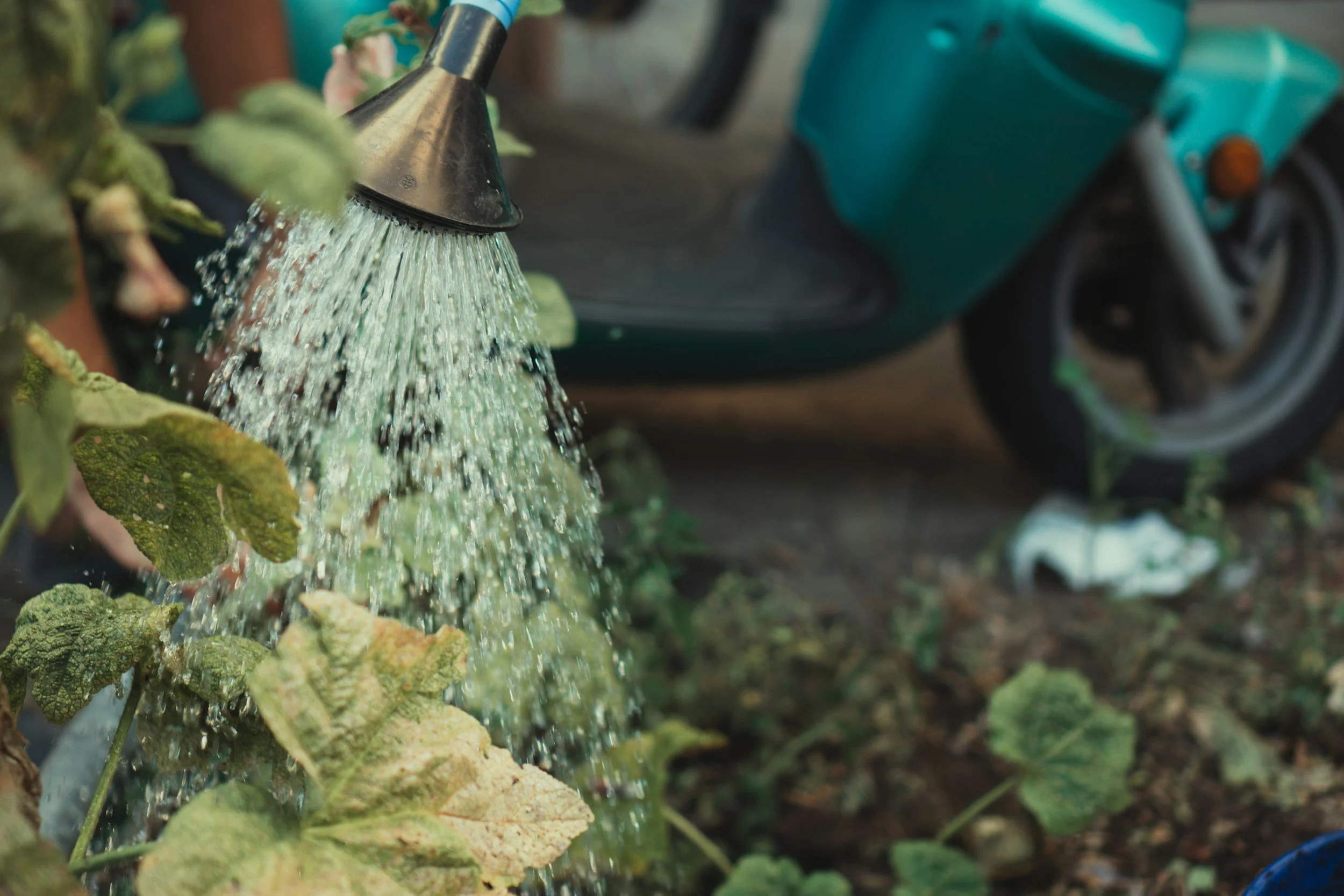
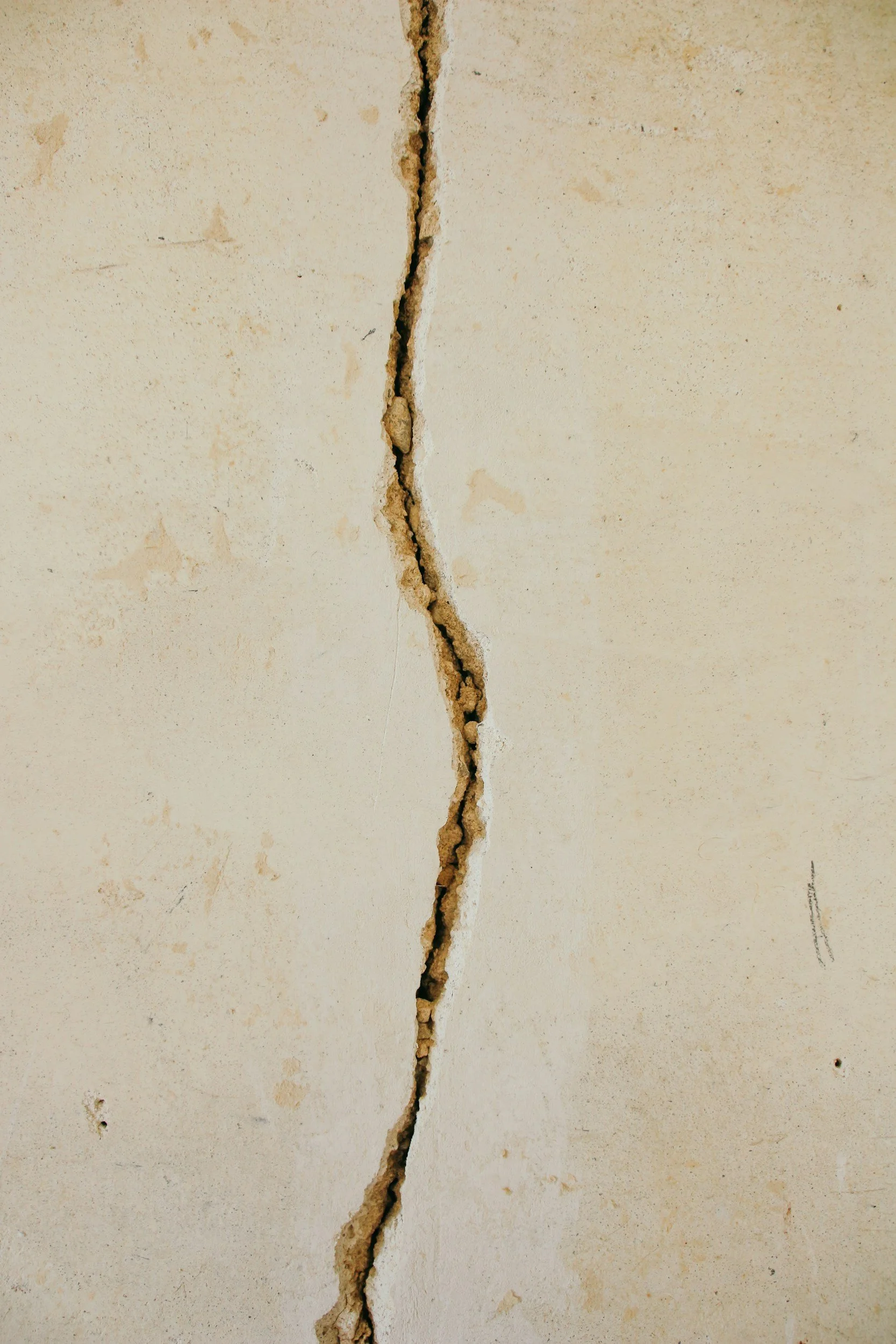
What are you willing to do to invest in repairing and maintaining your house when things go wrong? Committing to a place to live is committing to a set of problems that you are willing to tolerate. It is also committing to a set of unpredictable changes and problems that you may not anticipate. A relationship is no different.
Reframing idealistic views on love, John and Julie Gottman describe that committing to marriage or a long-term relationship is actually committing to a set of unsolvable problems. Through their research, they learned that the “masters of relationships” were willing to invest effort into and commit to the repair and maintenance of their relationships. Conversely, “disasters of relationships” would allow negativity and harmful behaviours to proliferate.
Masters were able to turn conflict into connection by learning how to cycle out of conflict into repair. Read on to learn more.
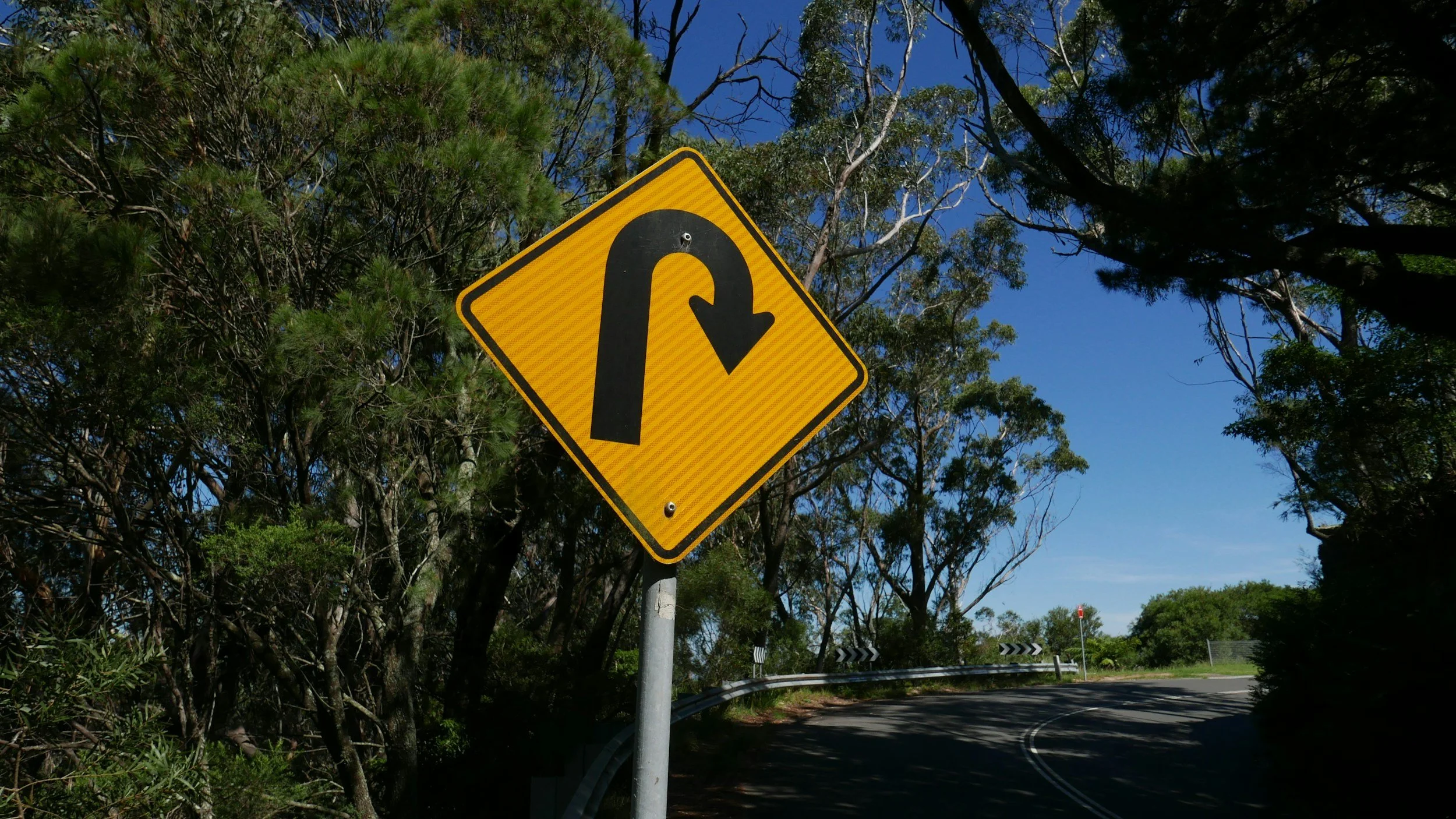
Are you willing to do a U-turn?
Blame is limiting. In order to create lasting changes in our relationships, we have to be willing to do a U-turn and look at ourselves and identify how we’re nourishing or harming the relationship.
We bring our childhood histories into our relationships. Understanding ourselves and where our patterns come from is a significant part of creating meaningful change we want to see in our relationships.
It’s not about the conflict. It’s about the repair.
What is the Gottman method for couples therapy?
1
John and Julie Gottman developed a method for supporting couples in therapy that is based on seven principles:
Building love maps (ie friendship)
Sharing fondness and admiration
Turning towards each other instead of turning away
Positive Perspective
Conflict Management
Dream fulfillment
Creating shared meaning
Building a strong friendship sets the stage for a lasting masterful relationship. Without friendship, couples will find it very difficult to uphold the other principles in a relationship. Therefore, your therapist will have to assess the strength of your friendship to identify the starting point for therapy.
Read more at the Gottman Institute about the 7 principles of effective relationships.
The Gottmans conducted their research in what they called their Love Lab. By studying thousands of couples over decades of research, they identified four ways in which couples sabotage their relationship. The Gottmans call these the four horsemen:
Criticism
Defensiveness
Stonewall
Contempt (being the most harmful of all typically paving the way to divorce)
Read more about the 4 horsemen.
What happens in a session?
2
Before your initial session, you will fill out an assessment form to provide your therapist with relevant background information of your presenting concerns. Depending on what you report, your therapist may recommend starting with individual sessions first. Couples therapy may consist of a combination of individual sessions + couples sessions.
In your initial session, you will work with your therapist to identify unhelpful patterns that have emerged in your relationship. You will work to figure out how your behaviours are not only impacting each other but also feeding into the other. For example, the more critical one is, the more defensive the other becomes and vice versa. It becomes a feedback loop of harmful behaviour that couples get stuck in.
In the initial or follow-up sessions, I will support you with symptom management by giving you specific tools and skills to cope. For sustained change, I may recommend couples to incorporate EMDR / IFS therapy to treat the root of the relationship issues.
When should couples seek help?
3
Get help as soon as you can. The Gottmans note that couples who are on the brink of separation wait 6 to 7 years before they seek help. By that time, the rupture is intense and repair has become more difficult.
A break-up or divorce is the final outcome of an accumulation of small moments of disconnection (turning away from each other) over a span of time. It’s like death by a thousand paper cuts. Or with the house metaphor, eventually a poorly maintained home will require more significant repair in order for it to be functioning and safe to live in.
Many couples benefit from therapy to address acute problems as well as to maintain the wellness of their relationship.
What if my partner refuses to attend couples therapy?
4
It only takes one person in a relationship to change the course of a feedback loop in relationship patterns. If your partner is not willing to do couples therapy with you, I would encourage you to start the work in individual therapy. Your therapist can provide guidance on how you can begin to make small yet significant changes in the relationship. If you are faced with a partner who is chronically avoidant and rejecting, individual therapy can help you explore how to set boundaries and feel safe in your life.